CAST AND CREATORS
Meet the extraordinary individuals featured in The Dyslexic Advantage. From ocean explorers to animators, each interviewed cast member brings their own brilliance to the screen as storytellers, explorers, and innovators.

DYSLEXIC VISIONARIES AND VOLUNTEERS



Read More
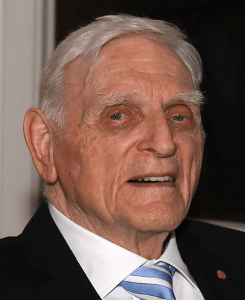
John Goodenough helped invent the modern lithium-ion rechargeable battery by designing a powerful cobalt-oxide cathode that made lightweight, high-energy batteries possible. For this breakthrough, he shared the 2019 Nobel Prize in Chemistry and became, at 97, the oldest Nobel laureate in history.
Read More
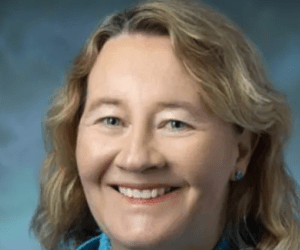
Molecular biologist Carol Greider co-discovered telomerase, the enzyme that protects the ends of chromosomes and plays a central role in ageing and cancer. Her work on telomeres and telomerase earned her the 2009 Nobel Prize in Physiology or Medicine and reshaped research on how cells divide and survive.
Read more

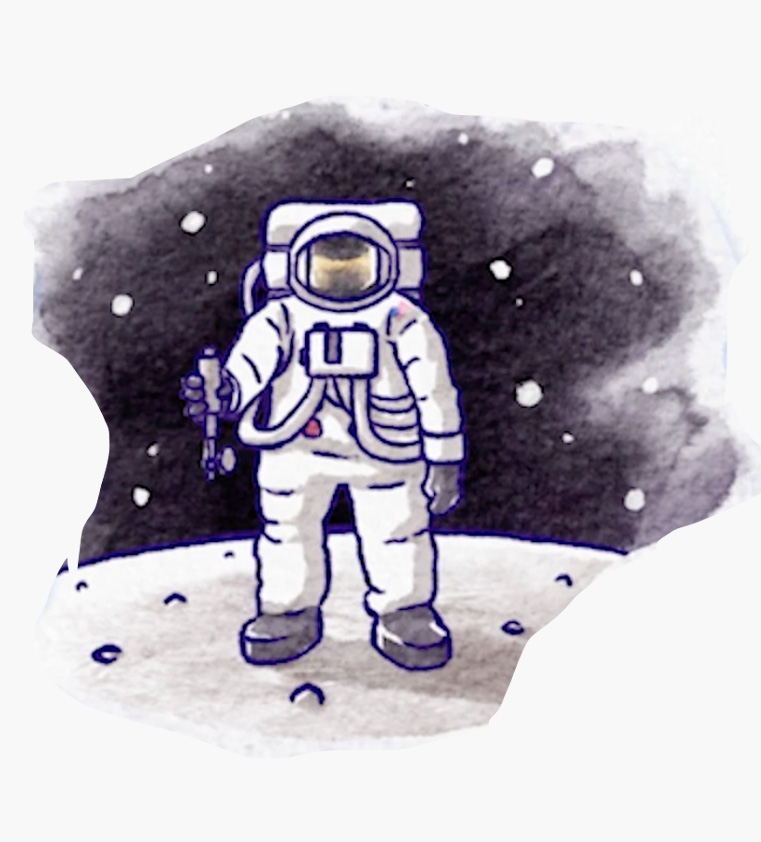
NASA astronaut Pete Conrad commanded Apollo 12 and became the third person to walk on the Moon. A former Navy test pilot, he also led the first crewed Skylab mission, where he helped save the damaged space station by repairing it in orbit.
Read more

Roboticist and neuroscientist Yoky Matsuoka pioneered “neurobotics,” using robots to understand and restore human movement for people with disabilities. She went on to be a founding leader of Google X, serve as CTO of Google Nest, and now leads Yohana, an innovation company focused on making family life easier.




Read More

Dr. Don Francis is an epidemiologist who helped investigate and contain deadly Ebola outbreaks in Africa in the 1970s. At the U.S. Centers for Disease Control, he became one of the early scientific leaders in the fight against HIV/AIDS, shaping modern approaches to outbreak response and vaccine development.
Read More
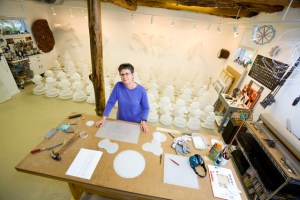
Artist–scholar Rebecca Kamen creates sculptures and installations inspired by physics, astronomy, and neuroscience, turning complex scientific ideas into visually poetic forms. Her internationally exhibited work often emerges from collaborations with scientists and explores themes from neural networks to the periodic table.
Read More

Industrial designer Sir Jony Ive led the design of many of Apple’s most iconic products, including the iMac, iPod, iPhone, iPad, and Apple Watch, as well as Apple Park and Apple Stores. His minimalist, user-focused designs helped redefine consumer technology worldwide, and he now leads the creative collective LoveFrom, collaborating with major global brands.
Read More
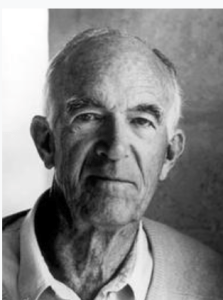
Danish architect Jørn Utzon was the visionary designer of the Sydney Opera House, whose sail-like shells have become a global symbol of Australia and a UNESCO World Heritage Site. A Pritzker Prize laureate, he also created influential churches, civic buildings, and housing that combine sculptural forms with humane, light-filled spaces.

Read More
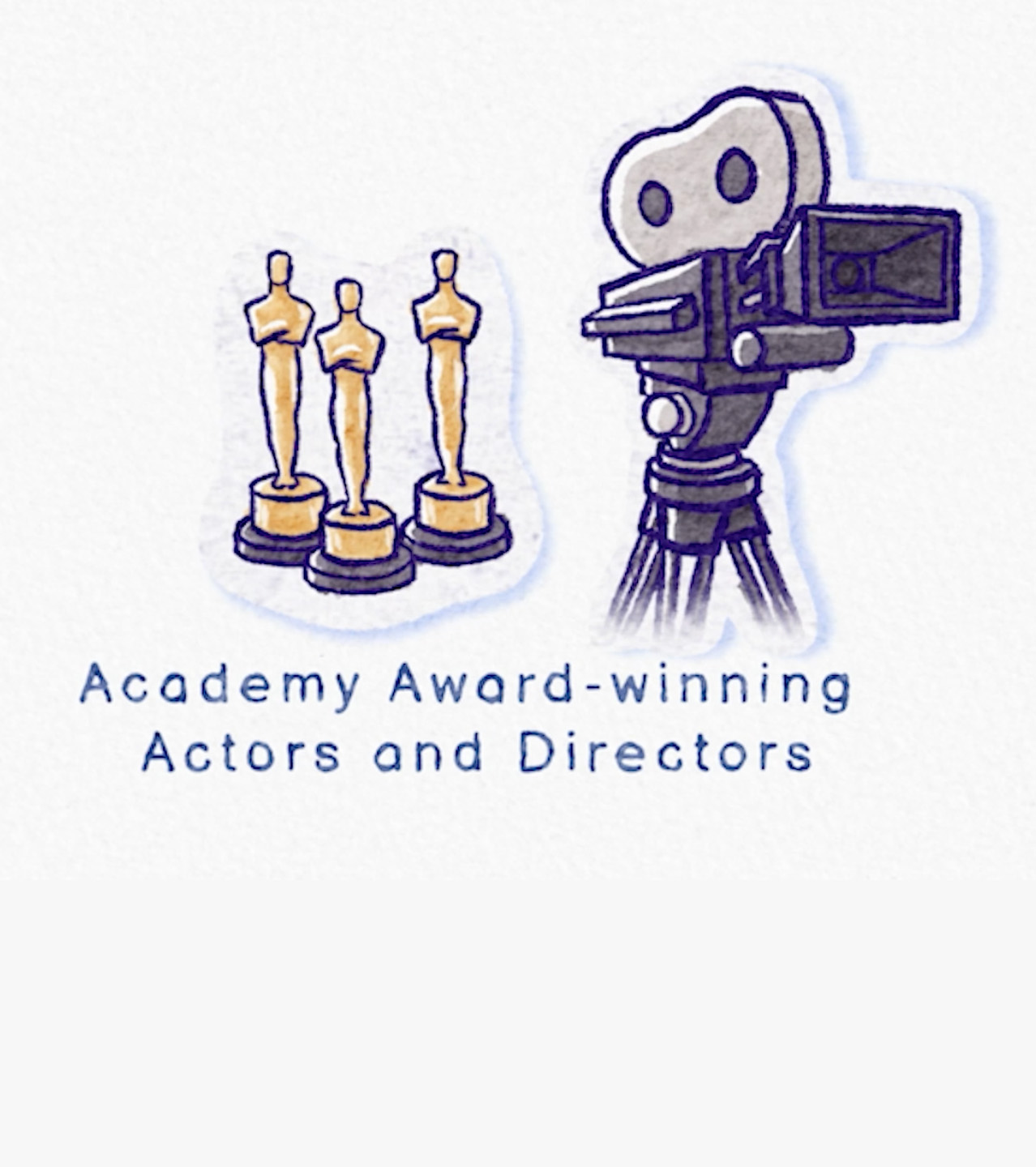
Academy Award–winning dyslexic filmmakers and performers have made a lasting impact on cinema. Steven Spielberg, who learned of his dyslexia as an adult, became one of the most influential directors and producers of all time. Spike Lee, who publicly revealed his dyslexia in a 2019 Times interview, earned an Academy Award for his screenwriting and has shaped four decades of American filmmaking. Marlon Brando, whose dyslexia is documented in multiple biographies, won two Oscars and transformed method acting. Octavia Spencer, who has openly discussed her dyslexia, became an Academy Award–winning actress known for her range and depth. Brian Grazer, dyslexic since childhood, won the Oscar for A Beautiful Mind and attributes his producer’s curiosity to the way he learned to navigate the world. Their achievements show how dyslexic strengths drive powerful storytelling and world-changing art.
Read More

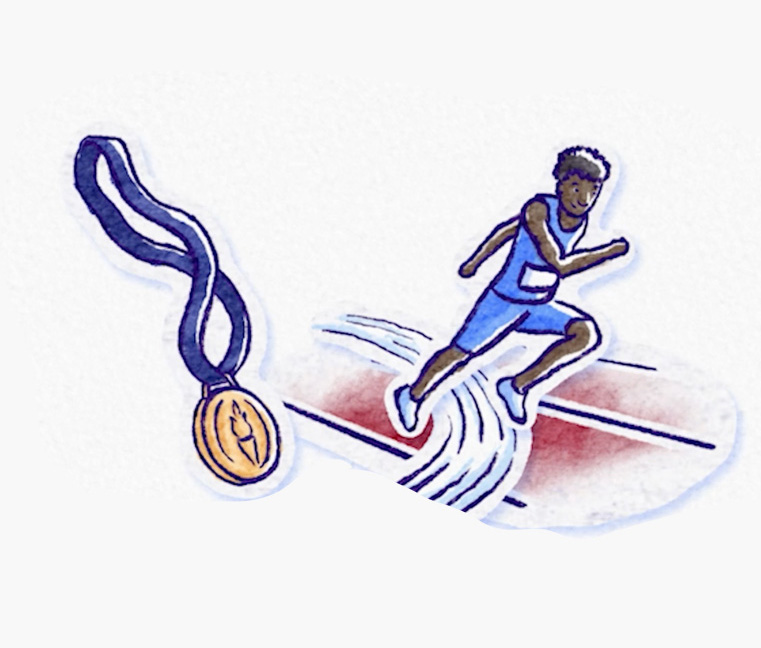
Noah Lyles is an Olympic champion and multiple-time world champion sprinter in the 100m and 200m, holding the American record in the 200m. Known for his late-race surge and showmanship, he has completed rare sprint “triples” at World Championships and is one of the fastest sprinters in history.
Other Olympic medalists included basketball great Kobe Bryant, ice dancer Meryl Davis, Caitlyn Jenner decathalon, and diver Greg Louganis.
Read More

Sir Lewis Hamilton is a seven-time Formula One World Drivers’ Champion and holds records for the most wins, pole positions, and podium finishes in F1 history. As the sport’s first Black driver, he has combined dominance on the track with global advocacy for equality, environmental causes, and human rights
Read More
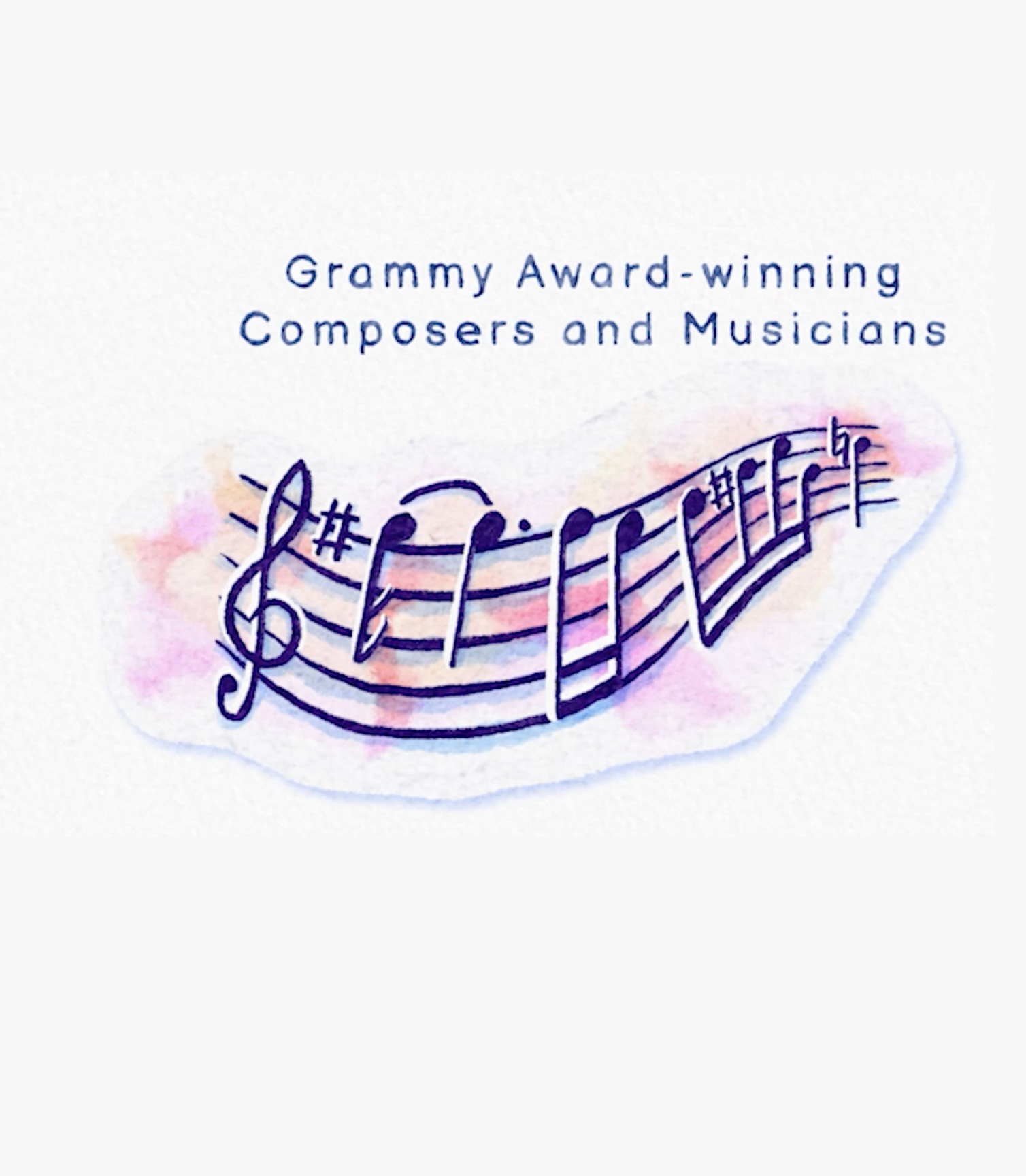
This group represents the many dyslexic composers and musicians whose Grammy-winning work has reshaped classical, popular, and film music. Their keen musical ear, pattern recognition, and emotional expressiveness have produced songs and scores that audiences remember for a lifetime.
Examples of multiple-gramming winning musicians include Carly Simon, Dave Brubeck, Lorne Balfe, and Florence Welch (Flroence + The Machine) are all dyslexic. Many have talked about their troubles reading music and learning piano.
Read More
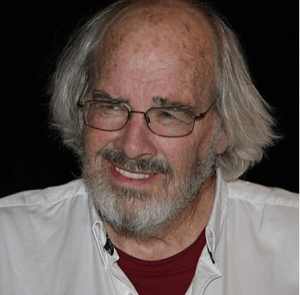
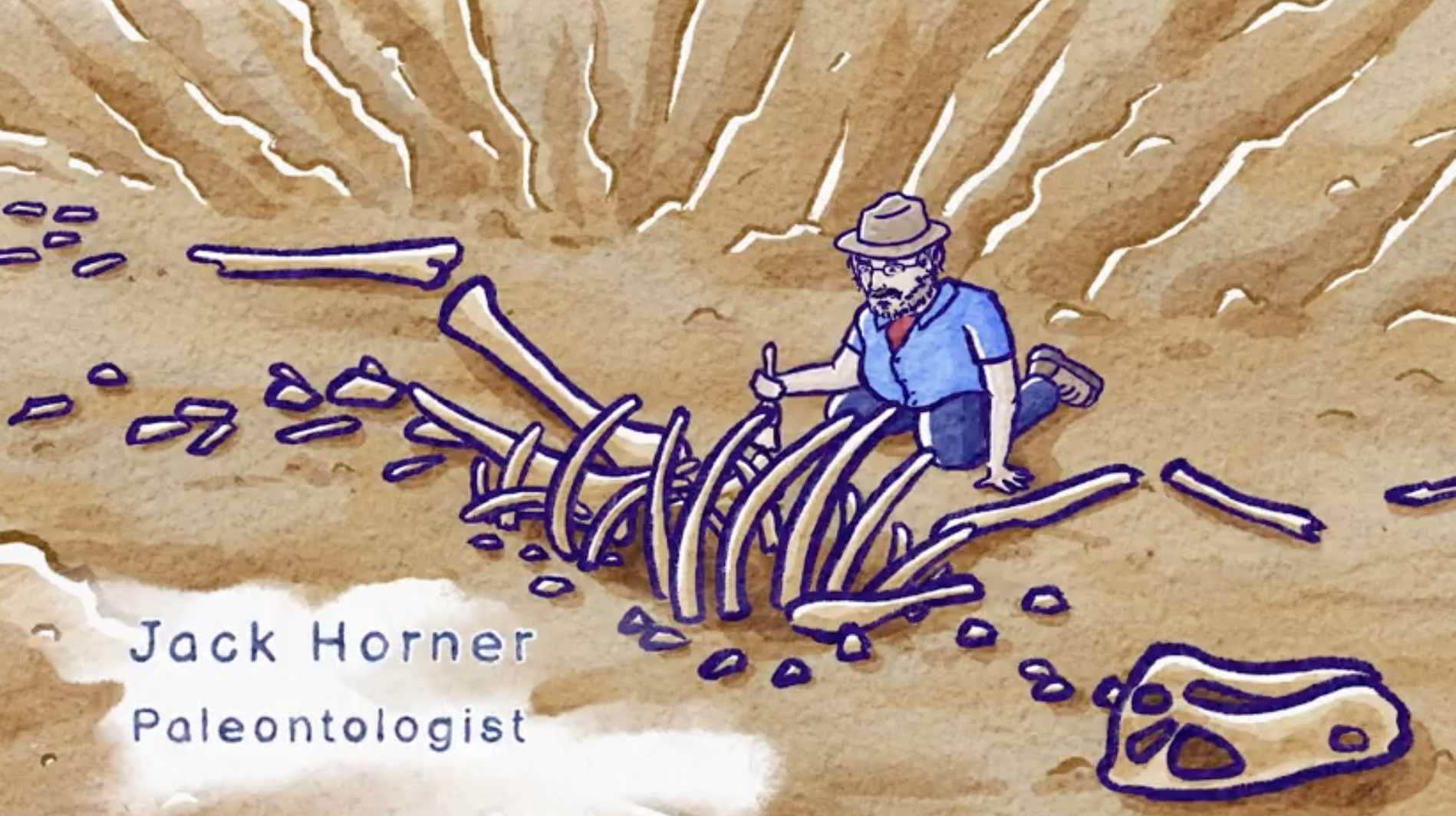
Jack Horner is a pioneering paleontologist known for discovering the first evidence that dinosaurs cared for their young, which reshaped our understanding of dinosaur behavior. Born severely dyslexic and unable to read until later in life, he developed exceptional visual and spatial reasoning skills that helped him identify fossil patterns others overlooked. He also served as scientific advisor for the Jurassic Park films.
Read More

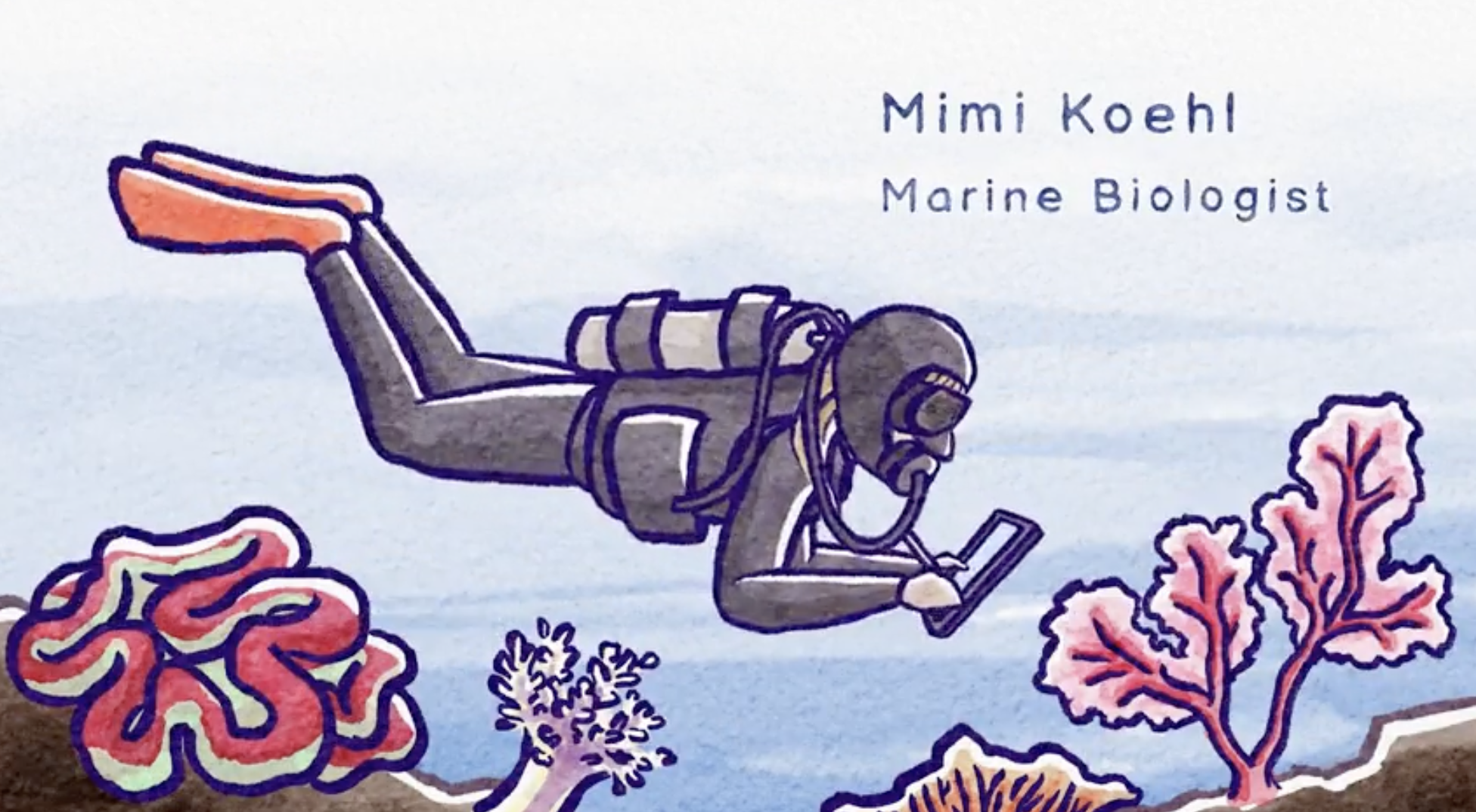
Dr. Mimi Koehl is a renowned biomechanics researcher who studies how animals and plants interact with moving fluids — from krill and copepods to kelp and humpback whales. Diagnosed with dyslexia as an adult, she became known for her hands-on experimental approach and her ability to visualize physical forces in motion. Her work bridges biology and engineering in ways that opened new fields of inquiry.
Read More

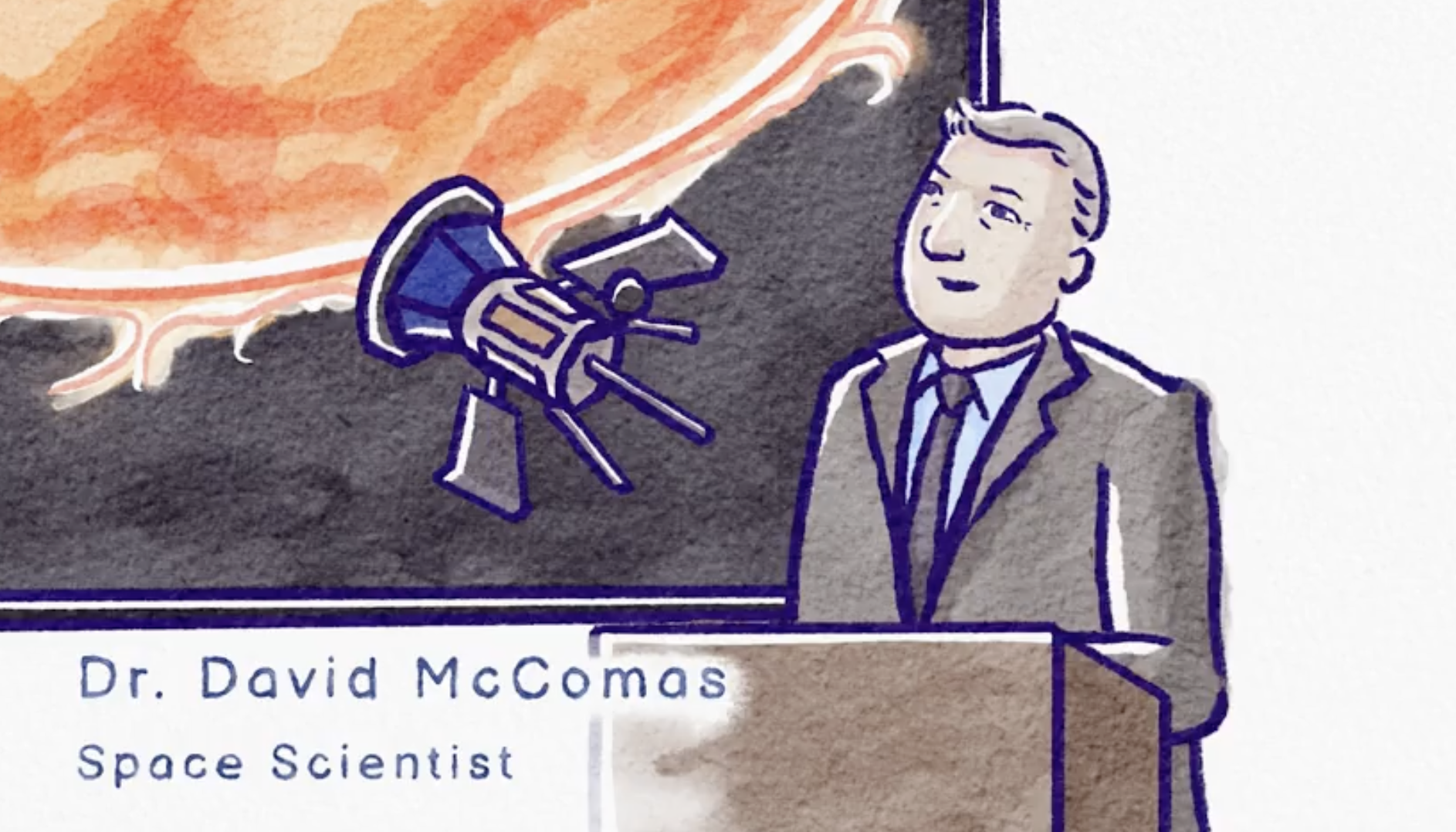
Dr. David McComas is a leading space physicist who has designed and led major NASA missions exploring the solar wind, heliosphere, and energetic particles in space. Dyslexic since childhood, he developed a strong problem-solving and conceptual imagination that contributed to breakthroughs in how scientists understand the Sun’s influence on the solar system. He currently serves in national scientific leadership roles while continuing to guide new space missions.